






Diese Website verwendet Cookies und ähnliche Technologien. Dabei handelt es sich um kleine Textdateien, die auf eurem Computer gespeichert und ausgelesen werden. Indem ihr auf "Alles akzeptieren" klickt, stimmt ihr der Verarbeitung von Daten, der Erstellung und Verarbeitung von individuellen Nutzungsprofilen über Websites und über Partner und Geräte hinweg sowie der Übermittlung eurer Daten an Drittanbieter zu, die eure Daten teilweise in Ländern außerhalb der Europäischen Union verarbeiten (GDPR Art. 49). Einzelheiten hierzu findet ihr in den Datenschutzhinweisen. Die Daten werden für Analysen und für eigene Zwecke Dritter verwendet. Weitere Informationen, auch über die Datenverarbeitung durch Drittanbieter und die Möglichkeit des Widerrufs, findet ihr in den Einstellungen und in unseren Datenschutzhinweisen. Hier könnt ihr mit den notwendigen Tools fortfahren.
- Verlag: Taylor & Francis
- Autor: Rachel Bryant-Waugh
- Artikel-Nr.: KNV96360599
- ISBN: 9780367224417
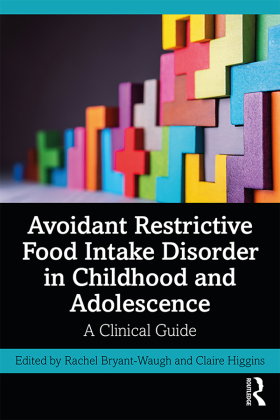
Avoidant Restrictive Food Intake Disorder, more commonly known as ARFID, is a relatively newly introduced diagnostic category. Research in the field, although growing, remains limited, with clinical knowledge and expertise varying across clinicians. There may be uncertainty how to correctly identify and diagnose the disorder as well as how best to direct treatment.
This clinical guide sets out to be a trailblazer in the field, providing up-to-date information and comprehensive clinical guidance on ARFID in childhood and adolescence. Chapters in the book are divided into five sections, the first focussing on the importance of attending to the perspectives of those directly affected by ARFID. Three subsequent sections cover diagnosis and presentation, including chapters on aetiology, epidemiology, assessment, and outcome measures; clinical assessment, including psychological, family, nutritional, medical, and sensory components; and management, discussing nutritional, medical, psychological, and wider system approaches. The final section discusses prognosis and outcomes, and considers future research directions.
This clinically focussed book, with contributions from a multi-disciplinary authorship, is intended to function as an accessible, practical guide, and reference resource. It includes summaries of available evidence, with related recommendations for clinical practice. The advice and suggestions included will assist clinicians in targeting their attention appropriately, to ensure that children, adolescents, and their families receive the best possible care.