






Diese Website verwendet Cookies und ähnliche Technologien. Dabei handelt es sich um kleine Textdateien, die auf eurem Computer gespeichert und ausgelesen werden. Indem ihr auf "Alles akzeptieren" klickt, stimmt ihr der Verarbeitung von Daten, der Erstellung und Verarbeitung von individuellen Nutzungsprofilen über Websites und über Partner und Geräte hinweg sowie der Übermittlung eurer Daten an Drittanbieter zu, die eure Daten teilweise in Ländern außerhalb der Europäischen Union verarbeiten (GDPR Art. 49). Einzelheiten hierzu findet ihr in den Datenschutzhinweisen. Die Daten werden für Analysen und für eigene Zwecke Dritter verwendet. Weitere Informationen, auch über die Datenverarbeitung durch Drittanbieter und die Möglichkeit des Widerrufs, findet ihr in den Einstellungen und in unseren Datenschutzhinweisen. Hier könnt ihr mit den notwendigen Tools fortfahren.
- Verlag: Taylor & Francis
- Autor: Rachel Bryant-Waugh
- Artikel-Nr.: KNV96360585
- ISBN: 9780367086107
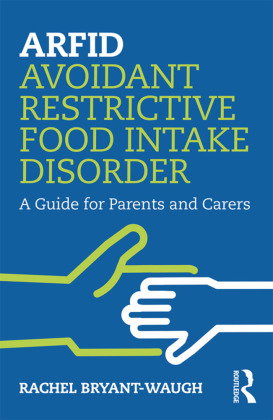
ARFID Avoidant Restrictive Food Intake Disorder: A Guide for Parents and Carers is an accessible summary of a relatively recent diagnostic term. People with ARFID may show little interest in eating, eat only a very limited range of foods or may be terrified something might happen to them if they eat, such as choking or being sick. Because it has been poorly recognised and poorly understood it can be difficult to access appropriate help and difficult to know how best to manage at home.
This book covers common questions encountered by parents or carers whose child has been given a diagnosis of ARFID or who have concerns about their child. Written in simple, accessible language and illustrated with examples throughout, this book answers common questions using the most up-to-date clinical knowledge and research.
Primarily written for parents and carers of young people, ARFID Avoidant Restrictive Food Intake Disorder includes a wealth of practical tips and suggested strategies to equip parents and carers with the means to take positive steps towards dealing with the problems ARFID presents. It will also be relevant for family members, partners or carers of older individuals, as well as professionals seeking a useful text, which captures the full range of ARFID presentations and sets out positive management advice.