






Diese Website verwendet Cookies und ähnliche Technologien. Dabei handelt es sich um kleine Textdateien, die auf eurem Computer gespeichert und ausgelesen werden. Indem ihr auf "Alles akzeptieren" klickt, stimmt ihr der Verarbeitung von Daten, der Erstellung und Verarbeitung von individuellen Nutzungsprofilen über Websites und über Partner und Geräte hinweg sowie der Übermittlung eurer Daten an Drittanbieter zu, die eure Daten teilweise in Ländern außerhalb der Europäischen Union verarbeiten (GDPR Art. 49). Einzelheiten hierzu findet ihr in den Datenschutzhinweisen. Die Daten werden für Analysen und für eigene Zwecke Dritter verwendet. Weitere Informationen, auch über die Datenverarbeitung durch Drittanbieter und die Möglichkeit des Widerrufs, findet ihr in den Einstellungen und in unseren Datenschutzhinweisen. Hier könnt ihr mit den notwendigen Tools fortfahren.
- Verlag: Taylor & Francis
- Autor: David Jenkins
- Artikel-Nr.: KNV96364300
- ISBN: 9781032285627
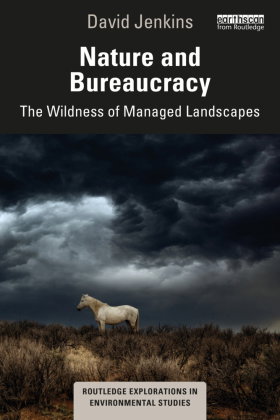
This book questions how bureaucracies conceive of, and consequently interact with, nature, and suggests that our managed public landscapes are neither entirely managed nor entirely wild, and offers several warnings about bureaucracies and bureaucratic mentality.
One prominent challenge facing scientists, policymakers, environmental activists, and environmentally concerned citizens, is to recognize that human influence in the natural world is pervasive and has a long history. How we act, or choose not to act, today will continue to determine the future of the natural world. Western-style management of nature, mediated by economic rationality and state bureaucracies, may not be the best strategy to maintain environmental integrity. The question is, what kinds of human influence, conceived of in the widest possible sense, will produce ideal environments for future generations? The related question is, who gets to choose? The author approaches the problem of analyzing the mutual influence of human and natural systems from two perspectives: as an objective scholar investigating bureaucracies and natural systems from the outside, and over the last decade as an inside practitioner working in various roles in federal land management agencies developing policies and regulations involved in the control of natural systems.
This book will be of great interest to students and scholars of natural resource management, policy and politics, and professionals working in environmental management roles as well as policymakers involved in public policy and administration.