






Diese Website verwendet Cookies und ähnliche Technologien. Dabei handelt es sich um kleine Textdateien, die auf eurem Computer gespeichert und ausgelesen werden. Indem ihr auf "Alles akzeptieren" klickt, stimmt ihr der Verarbeitung von Daten, der Erstellung und Verarbeitung von individuellen Nutzungsprofilen über Websites und über Partner und Geräte hinweg sowie der Übermittlung eurer Daten an Drittanbieter zu, die eure Daten teilweise in Ländern außerhalb der Europäischen Union verarbeiten (GDPR Art. 49). Einzelheiten hierzu findet ihr in den Datenschutzhinweisen. Die Daten werden für Analysen und für eigene Zwecke Dritter verwendet. Weitere Informationen, auch über die Datenverarbeitung durch Drittanbieter und die Möglichkeit des Widerrufs, findet ihr in den Einstellungen und in unseren Datenschutzhinweisen. Hier könnt ihr mit den notwendigen Tools fortfahren.
- Verlag: Taylor & Francis
- Autor: Saulo Ribeiro
- Artikel-Nr.: KNV96364386
- ISBN: 9780367521158
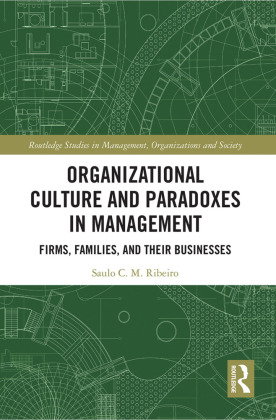
Studies on culture, change and social processes within organizations have been historically organized around orthogonal approaches. While the literature on change has focused on creating pragmatic, generally simple methodologies that bypass the complexity of the data in order to emphasize the possibility of intervention, literature aimed at truly understanding of the firm and its processes has emphasized the ambiguity of organization and the difficulties involved in reaching a unitary view of its processes, let alone creating a single theory of change. Finally, the literature on family businesses has been restricted to limited views of the field, disregarding the rich insights brought by psychology, sociology or anthropology. The result of these trends has been a gap in the creation of knowledge, with a paucity of studies that link theory with practice and ground change on a comprehensive view of the social reality of the firm. This book addresses both the specific need of family businesses and the broader demands of any organization in which the issue of culture is seriously considered.
Drawing on the notions and scholarship on organizations and sociology, the author proposes new concepts and tools for the change agents interested in working with the instrumental rules of the firm with the cohesive tone of the family. Organizational Culture and Paradoxes in Management will be of value to students at an advanced level, academics and reflective practitioners. It addresses the topics with regard to management and organizational studies and will be of interest to organizational scholars, consultants and leaders interested in fostering a meaningful culture within organizations and family businesses.