






Diese Website verwendet Cookies und ähnliche Technologien. Dabei handelt es sich um kleine Textdateien, die auf eurem Computer gespeichert und ausgelesen werden. Indem ihr auf "Alles akzeptieren" klickt, stimmt ihr der Verarbeitung von Daten, der Erstellung und Verarbeitung von individuellen Nutzungsprofilen über Websites und über Partner und Geräte hinweg sowie der Übermittlung eurer Daten an Drittanbieter zu, die eure Daten teilweise in Ländern außerhalb der Europäischen Union verarbeiten (GDPR Art. 49). Einzelheiten hierzu findet ihr in den Datenschutzhinweisen. Die Daten werden für Analysen und für eigene Zwecke Dritter verwendet. Weitere Informationen, auch über die Datenverarbeitung durch Drittanbieter und die Möglichkeit des Widerrufs, findet ihr in den Einstellungen und in unseren Datenschutzhinweisen. Hier könnt ihr mit den notwendigen Tools fortfahren.
- Verlag: Taylor & Francis
- Autor: Vladimir Hedrih
- Artikel-Nr.: KNV96360665
- ISBN: 9780367620516
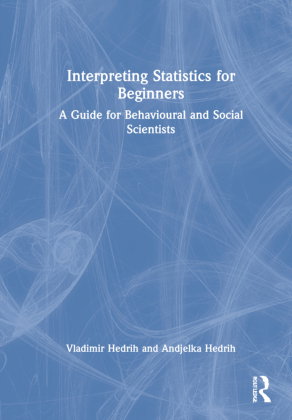
Interpreting Statistics for Beginners teaches readers to correctly read and interpret results of basic statistical procedures as they are presented in scientific literature, and to understand what they can and cannot infer from such results.
The first of its kind, this book explains key elements of scientific paradigms and philosophical concepts that the use of statistics is based on and introduces readers to basic statistical concepts, descriptive statistics and basic elements and procedures of inferential statistics. Explanations are accompanied with detailed examples from scientific publications to demonstrate how the procedures are used and correctly interpreted. Additionally, Interpreting Statistics for Beginners shows readers how to recognize pseudoscientific claims that use statistics or statements not based on the presented data, which is an important skill for every professional relying on statistics in their work.
Written in an easy-to-read style and focusing on explaining concepts behind statistical calculations, the book is most helpful for readers with no previous training in statistics, and also those wishing to bridge the conceptual gap between doing the statistical calculations and interpreting the results.