






Diese Website verwendet Cookies und ähnliche Technologien. Dabei handelt es sich um kleine Textdateien, die auf eurem Computer gespeichert und ausgelesen werden. Indem ihr auf "Alles akzeptieren" klickt, stimmt ihr der Verarbeitung von Daten, der Erstellung und Verarbeitung von individuellen Nutzungsprofilen über Websites und über Partner und Geräte hinweg sowie der Übermittlung eurer Daten an Drittanbieter zu, die eure Daten teilweise in Ländern außerhalb der Europäischen Union verarbeiten (GDPR Art. 49). Einzelheiten hierzu findet ihr in den Datenschutzhinweisen. Die Daten werden für Analysen und für eigene Zwecke Dritter verwendet. Weitere Informationen, auch über die Datenverarbeitung durch Drittanbieter und die Möglichkeit des Widerrufs, findet ihr in den Einstellungen und in unseren Datenschutzhinweisen. Hier könnt ihr mit den notwendigen Tools fortfahren.
- Verlag: Taylor & Francis
- Autor: Nicky Ali Jackson
- Artikel-Nr.: KNV96364397
- ISBN: 9780367637194
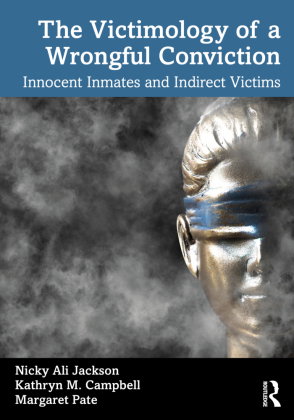
This book exposes the myriad of victims of wrongful conviction by going beyond the innocent person who has been wrongfully incarcerated to include the numerous indirect victims who suffer collaterally. In no way overlooking the egregious effects on the wrongfully convicted, this book widens the net to also examine consequences for family, friends, co-workers, witnesses, the initial victims of the crime, and society in general-all indirect victims who are often forgotten in treatments of wrongful conviction.
Utilizing interviews of exonerees and indirect victims, the authors capture the tangible and intangible costs of victimization across the board. The prison experience is examined through the lens of an innocent person, and the psychological impact of incarceration for the exoneree is explored. Special attention is given to the often-ignored experience of female exonerees and to the impact of race as a compounding factor in a vast number of miscarriages of justice. The book concludes with an overview of the victimization experiences that follow exonerees upon release.
Unique to this book is its interdisciplinary approach to the troubling subject of wrongful conviction, combining perspectives from a number of fields, including criminal justice, criminology, victimology, psychology, sociology, social justice, history, political science, and law. Undergraduate and graduate students in these disciplines will find this book helpful in their respective areas of study, and professionals in the legal system will benefit from appreciation of the far-reaching costs of wrongful convictions.