






Diese Website verwendet Cookies und ähnliche Technologien. Dabei handelt es sich um kleine Textdateien, die auf eurem Computer gespeichert und ausgelesen werden. Indem ihr auf "Alles akzeptieren" klickt, stimmt ihr der Verarbeitung von Daten, der Erstellung und Verarbeitung von individuellen Nutzungsprofilen über Websites und über Partner und Geräte hinweg sowie der Übermittlung eurer Daten an Drittanbieter zu, die eure Daten teilweise in Ländern außerhalb der Europäischen Union verarbeiten (GDPR Art. 49). Einzelheiten hierzu findet ihr in den Datenschutzhinweisen. Die Daten werden für Analysen und für eigene Zwecke Dritter verwendet. Weitere Informationen, auch über die Datenverarbeitung durch Drittanbieter und die Möglichkeit des Widerrufs, findet ihr in den Einstellungen und in unseren Datenschutzhinweisen. Hier könnt ihr mit den notwendigen Tools fortfahren.
- Artikel-Nr.: KNV67819296
- ISBN: 9781138946330
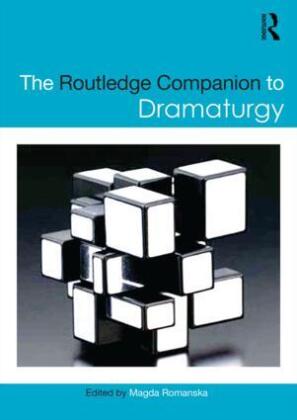
Dramaturgy, in its many forms, is a fundamental and indispensable element of contemporary theatre. In its earliest definition, the word itself means a comprehensive theory of "play making." Although it initially grew out of theatre, contemporary dramaturgy has made enormous advances in recent years, and it now permeates all kinds of narrative forms and structures: from opera to performance art; from dance and multimedia to filmmaking and robotics.
In our global, mediated context of multinational group collaborations that dissolve traditional divisions of roles as well as unbend previously intransigent rules of time and space, the dramaturg is also the ultimate globalist: intercultural mediator, information and research manager, media content analyst, interdisciplinary negotiator, social media strategist.
This collection focuses on contemporary dramaturgical practice, bringing together contributions not only from academics but also from prominent working dramaturgs. The inclusion of both means a strong level of engagement with current issues in dramaturgy, from the impact of social media to the ongoing centrality of interdisciplinary and intermedial processes.
The contributions survey the field through eight main lenses:
- world dramaturgy and global perspective
- dramaturgy as function, verb and skill
- dramaturgical leadership and season planning
- production dramaturgy in translation
- adaptation and new play development
- interdisciplinary dramaturgy
- play analysis in postdramatic and new media dramaturgy
- social media and audience outreach.
Magda Romanska is Visiting Associate Professor of Slavic Languages and Literatures at Harvard University, Associate Professor of Theatre and Dramaturgy at Emerson College, and Dramaturg for Boston Lyric Opera. Her books include The Post-Traumatic Theatre of Grotowski and Kantor (2012), Boguslaw Schaeffer: An Anthology (2012), and Comedy: An Anthology of Theory and Criticism (2014).