






Diese Website verwendet Cookies und ähnliche Technologien. Dabei handelt es sich um kleine Textdateien, die auf eurem Computer gespeichert und ausgelesen werden. Indem ihr auf "Alles akzeptieren" klickt, stimmt ihr der Verarbeitung von Daten, der Erstellung und Verarbeitung von individuellen Nutzungsprofilen über Websites und über Partner und Geräte hinweg sowie der Übermittlung eurer Daten an Drittanbieter zu, die eure Daten teilweise in Ländern außerhalb der Europäischen Union verarbeiten (GDPR Art. 49). Einzelheiten hierzu findet ihr in den Datenschutzhinweisen. Die Daten werden für Analysen und für eigene Zwecke Dritter verwendet. Weitere Informationen, auch über die Datenverarbeitung durch Drittanbieter und die Möglichkeit des Widerrufs, findet ihr in den Einstellungen und in unseren Datenschutzhinweisen. Hier könnt ihr mit den notwendigen Tools fortfahren.
- Verlag: Simon & Schuster US
- Autor: William J. Peters
- Artikel-Nr.: KNV96396983
- ISBN: 9781982150440
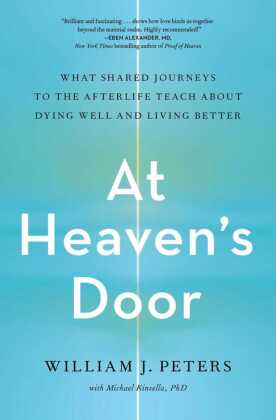
In 2000, end-of-life therapist William Peters was volunteering at the Zen Hospice Project in San Francisco when he had an extraordinary experience as he was reading aloud to a patient: he suddenly felt himself floating midair, completely out of his body. The patient, who was also aloft, looked at him and smiled. The next moment, Peters felt himself return to his body...but his patient never regained consciousness and died.
Perplexed and stunned by what had happened, Peters began searching for other people who'd shared similar experiences. He would spend the next twenty years gathering and meticulously categorizing their stories to identify key patterns and features of what is now known as the "shared crossing" experience. The similarities, which cut across continents and cultures and include awe-inspiring visual and sensory effects, and powerful emotional aftershocks.
The book is filled with "moving and tender" (Jack Kornfield, PhD, author of A Path with Heart) tales of spouses seeing their loved ones reach the other side after decades together and bereaved parents who share their children's entry into the afterlife. Applying rigorous research, Peters digs into the effects of these shared crossing experiences impart-liberation at the sight of a loved one finding joy, a sense of reconciliation if the relationship was fraught-and explores questions like: What can explain these shared death experiences? How can we increase our likelihood of having one? What do these experiences tell us about what lies beyond? And, most importantly, how can they help take away the string of death and better prepare us for our own final moments? How can we have both a better life and a better death?