






Diese Website verwendet Cookies und ähnliche Technologien. Dabei handelt es sich um kleine Textdateien, die auf eurem Computer gespeichert und ausgelesen werden. Indem ihr auf "Alles akzeptieren" klickt, stimmt ihr der Verarbeitung von Daten, der Erstellung und Verarbeitung von individuellen Nutzungsprofilen über Websites und über Partner und Geräte hinweg sowie der Übermittlung eurer Daten an Drittanbieter zu, die eure Daten teilweise in Ländern außerhalb der Europäischen Union verarbeiten (GDPR Art. 49). Einzelheiten hierzu findet ihr in den Datenschutzhinweisen. Die Daten werden für Analysen und für eigene Zwecke Dritter verwendet. Weitere Informationen, auch über die Datenverarbeitung durch Drittanbieter und die Möglichkeit des Widerrufs, findet ihr in den Einstellungen und in unseren Datenschutzhinweisen. Hier könnt ihr mit den notwendigen Tools fortfahren.
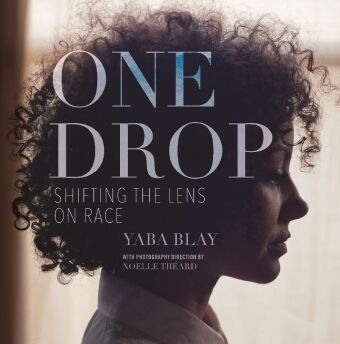
- Verlag: Penguin US
- Autor: Yaba Blay
- Artikel-Nr.: KNV96479865
- ISBN: 9780807013212
What exactly is Blackness and what does it mean to be Black?
Is Blackness a matter of biology or consciousness?
Who determines who is Black and who is not?
Who s Black, who s not, and who cares?
In the United States, a Black person has come to be defined as any person with any known Black ancestry. Statutorily referred to as the rule of hypodescent, this definition of Blackness is more popularly known as the one-drop rule, meaning that a person with any trace of Black ancestry, however small or (in)visible, cannot be considered White. A method of social order that began almost immediately after the arrival of enslaved Africans in America, by 1910 it was the law in almost all southern states. At a time when the one-drop rule functioned to protect and preserve White racial purity, Blackness was both a matter of biology and the law. One was either Black or White. Period. Has the social and political landscape changed one hundred years later?
One Drop explores the extent to which historical definitions of race continue to shape contemporary racial identities and lived experiences of racial difference. Featuring the perspectives of 60 contributors representing 25 countries and combining candid narratives with striking portraiture, this book provides living testimony to the diversity of Blackness. Although contributors use varying terms to self-identify, they all see themselves as part of the larger racial, cultural, and social group generally referred to as Black. They have all had their identity called into question simply because they do not fit neatly into the stereotypical Black box dark skin, kinky hair, broad nose, full lips, etc. Most have been asked What are you? or the more politically correct Where are you from? throughout their lives. It is through contributors lived experiences with and lived imaginings of Black identity that we can visualize multiple possibilities for Blackness.