






Diese Website verwendet Cookies und ähnliche Technologien. Dabei handelt es sich um kleine Textdateien, die auf eurem Computer gespeichert und ausgelesen werden. Indem ihr auf "Alles akzeptieren" klickt, stimmt ihr der Verarbeitung von Daten, der Erstellung und Verarbeitung von individuellen Nutzungsprofilen über Websites und über Partner und Geräte hinweg sowie der Übermittlung eurer Daten an Drittanbieter zu, die eure Daten teilweise in Ländern außerhalb der Europäischen Union verarbeiten (GDPR Art. 49). Einzelheiten hierzu findet ihr in den Datenschutzhinweisen. Die Daten werden für Analysen und für eigene Zwecke Dritter verwendet. Weitere Informationen, auch über die Datenverarbeitung durch Drittanbieter und die Möglichkeit des Widerrufs, findet ihr in den Einstellungen und in unseren Datenschutzhinweisen. Hier könnt ihr mit den notwendigen Tools fortfahren.
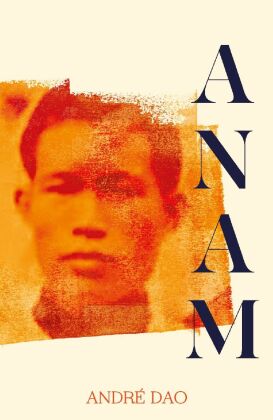
- Verlag: Macmillan Publishers International
- Autor: André Dao
- Artikel-Nr.: KNV96487274
- ISBN: 9781529094701
'A profound meditation on forgiveness and forgetting . . . Dao's extraordinary debut novel combines fiction and history to chronicle his Vietnamese grandparents' traumatic life.' - The Observer
Moving from 1930s Hanoi through wars and displacements to Saigon, Paris, Melbourne and Cambridge, a deeply moving novel of memory and inheritance, colonialism and belonging, exile and home.
Born to a Vietnamese family based in Melbourne, the narrator is haunted by the story of his grandfather whose ten-year imprisonment by the Communist government in Vietnam's notorious Chi Hoa prison looms large over his own place in the world and his choice to become a human rights lawyer. As he oscillates between identities of his Australian upbringing and his Vietnamese heritage, it is the death of his grandfather in a Parisian suburb and the birth of his daughter that crystallize the strands of thought that have shaped his life.
André Dao's Anam blends fiction and essay, theory and everyday life to imagine that which has been repressed, left out, and forgotten by archives and by families. As the grandson sifts through letters, photographs, government documents and memories, he has his own family to think about: a partner and an infant daughter. Is there a way to remember the past that creates a future for them as well? Or does coming home always involve a certain amount of forgetting?