






Diese Website verwendet Cookies und ähnliche Technologien. Dabei handelt es sich um kleine Textdateien, die auf eurem Computer gespeichert und ausgelesen werden. Indem ihr auf "Alles akzeptieren" klickt, stimmt ihr der Verarbeitung von Daten, der Erstellung und Verarbeitung von individuellen Nutzungsprofilen über Websites und über Partner und Geräte hinweg sowie der Übermittlung eurer Daten an Drittanbieter zu, die eure Daten teilweise in Ländern außerhalb der Europäischen Union verarbeiten (GDPR Art. 49). Einzelheiten hierzu findet ihr in den Datenschutzhinweisen. Die Daten werden für Analysen und für eigene Zwecke Dritter verwendet. Weitere Informationen, auch über die Datenverarbeitung durch Drittanbieter und die Möglichkeit des Widerrufs, findet ihr in den Einstellungen und in unseren Datenschutzhinweisen. Hier könnt ihr mit den notwendigen Tools fortfahren.
- Verlag: Springer, Berlin
- Autor: Henry Sless
- Artikel-Nr.: KNV96695488
- ISBN: 9783031392177
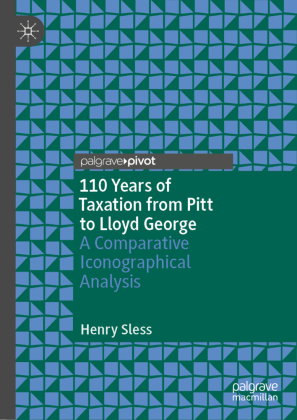
This book offers a multi-disciplinary visual analysis of British taxation history during the long nineteenth century. Focusing specifically on cartoons from the period, the book utilises the author's innovative PEARL methodology to analyse the impact of Publishers' attitudes, Editorial techniques, Artistic methods, Readers' responses, and Legal context on historical images published in this period.
The book outlines a financial and visual context for the long nineteenth century, discussing the importance of political images during a period when the relationship between the state and the taxpayer was fundamentally shifting. The state of public finance in Britain as a whole, including the growth of institutional finance, the economic impact of wars, and attempts to reduce the national debt, are considered alongside an exploration of the recurring iconographical styles of the period. The book situates the visual history of taxation within a wider context of politicised images responding to fiscal events, and uses the PEARL analysis technique to pinpoint nuanced and evolving public attitudes towards tax structures in Britain, as well as comparative developments in the US such as the impact of the Civil War and income tax debates. The book will be of interest to financial historians and academic cultural historians, as well as all those interested in visual culture and political imagery.