






Diese Website verwendet Cookies und ähnliche Technologien. Dabei handelt es sich um kleine Textdateien, die auf eurem Computer gespeichert und ausgelesen werden. Indem ihr auf "Alles akzeptieren" klickt, stimmt ihr der Verarbeitung von Daten, der Erstellung und Verarbeitung von individuellen Nutzungsprofilen über Websites und über Partner und Geräte hinweg sowie der Übermittlung eurer Daten an Drittanbieter zu, die eure Daten teilweise in Ländern außerhalb der Europäischen Union verarbeiten (GDPR Art. 49). Einzelheiten hierzu findet ihr in den Datenschutzhinweisen. Die Daten werden für Analysen und für eigene Zwecke Dritter verwendet. Weitere Informationen, auch über die Datenverarbeitung durch Drittanbieter und die Möglichkeit des Widerrufs, findet ihr in den Einstellungen und in unseren Datenschutzhinweisen. Hier könnt ihr mit den notwendigen Tools fortfahren.
- Verlag: Random House UK
- Autor: Charlotte Lydia Riley
- Artikel-Nr.: KNV96707415
- ISBN: 9781847926449
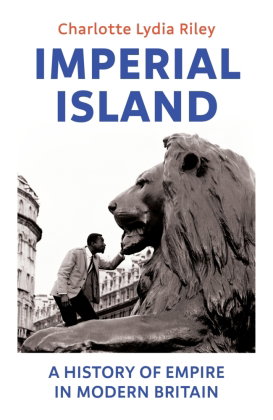
Imperial Island shows how empire and its ever-present aftermath have divided and defined Britain over the last seventy years.
'Masterful ... you won't look at Britain in the same way ever again' OWEN JONES
After the Second World War, Britain's overseas empire disintegrated. As white settlers from Rhodesia returned home to a country they barely recognised, Commonwealth citizens from Asia and the Caribbean migrated to a motherland that often refused to recognise them. Race riots erupted in Liverpool and Notting Hill even as communities lived and loved across the colour line. In the 1950s and 60s, imperial violence came home too, pervading the policing of immigrant communities, including their sex lives. In the decade that followed, a surge of support for the far-right inspired an invigorated anti-racist movement.
These tensions, and the imperial mindset that birthed them, have dominated Britain's relationship with itself and the world ever since: from the simplistic moral equation of Band Aid to the invasion of Iraq, in the tragedy of Stephen Lawrence and the opening ceremony of the 2012 Olympics, we see how Britain's contradictory relationship with its past has undermined its self-image as a multicultural nation.
Imperial Island tells a story of immigration and fractured identity, of social strife and communal solidarity, of people on the move and of a people wrestling with their past. It is the story that best explains Britain today.
'An eye-opening study of the empire within' SHASHI THAROOR
'Clear, bold, refreshing' LUCY WORSLEY