






Diese Website verwendet Cookies und ähnliche Technologien. Dabei handelt es sich um kleine Textdateien, die auf eurem Computer gespeichert und ausgelesen werden. Indem ihr auf "Alles akzeptieren" klickt, stimmt ihr der Verarbeitung von Daten, der Erstellung und Verarbeitung von individuellen Nutzungsprofilen über Websites und über Partner und Geräte hinweg sowie der Übermittlung eurer Daten an Drittanbieter zu, die eure Daten teilweise in Ländern außerhalb der Europäischen Union verarbeiten (GDPR Art. 49). Einzelheiten hierzu findet ihr in den Datenschutzhinweisen. Die Daten werden für Analysen und für eigene Zwecke Dritter verwendet. Weitere Informationen, auch über die Datenverarbeitung durch Drittanbieter und die Möglichkeit des Widerrufs, findet ihr in den Einstellungen und in unseren Datenschutzhinweisen. Hier könnt ihr mit den notwendigen Tools fortfahren.
- Verlag: Random House UK
- Autor: Jessica Zhan Mei Yu
- Artikel-Nr.: KNV96749013
- ISBN: 9781787333925
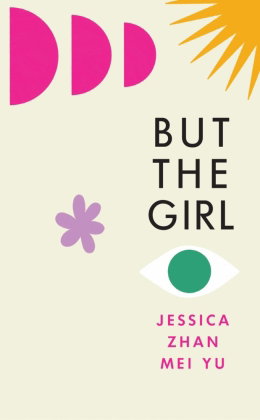
Irreverent, witty and wise, But the Girl is a coming-of-age story about not wanting to leave your family behind
'Impressive... Yu remakes the art of writing itself'
GUARDIAN
'A wonderful new novel for a metamodern world'
BRANDON TAYLOR, author of The Late Americans
Girl was born on the very day her parents and grandmother immigrated from Malaysia to Australia. The story goes that her mother held on tight to her pelvic muscles in an effort to gift her the privilege of an Australian passport. But it's hard to be the embodiment of all your family's hopes and dreams, especially in a country that's hostile to your very existence.
When Girl receives a scholarship to travel to the UK, she is finally free for the first time. In London and then Scotland she is meant to be working on a PhD on Sylvia Plath and writing a postcolonial novel. But Girl can't stop thinking about her upbringing and the stories of the people who raised her. How can she reconcile their expectations with her reality? Did Sylvia Plath have this problem? What even is a 'postcolonial novel'? And what if the story of becoming yourself is not about carving out a new identity, but learning to understand the people who made you who you are?