






Diese Website verwendet Cookies und ähnliche Technologien. Dabei handelt es sich um kleine Textdateien, die auf eurem Computer gespeichert und ausgelesen werden. Indem ihr auf "Alles akzeptieren" klickt, stimmt ihr der Verarbeitung von Daten, der Erstellung und Verarbeitung von individuellen Nutzungsprofilen über Websites und über Partner und Geräte hinweg sowie der Übermittlung eurer Daten an Drittanbieter zu, die eure Daten teilweise in Ländern außerhalb der Europäischen Union verarbeiten (GDPR Art. 49). Einzelheiten hierzu findet ihr in den Datenschutzhinweisen. Die Daten werden für Analysen und für eigene Zwecke Dritter verwendet. Weitere Informationen, auch über die Datenverarbeitung durch Drittanbieter und die Möglichkeit des Widerrufs, findet ihr in den Einstellungen und in unseren Datenschutzhinweisen. Hier könnt ihr mit den notwendigen Tools fortfahren.
- Verlag: Oldenbourg
- Autor: Merethe Roos
- Artikel-Nr.: KNV97063048
- ISBN: 9783111204741
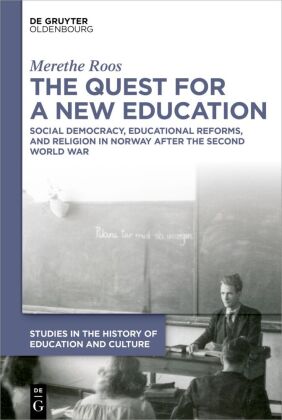
This book thematizes the tension between education, politics, and religion in Norway after the Second World War, with an emphasis on the years between 1945 and 1970, and throws a new light on Norwegian school and education in the post-war period. The Norwegian educational landscape in the years after the Second World War must be seen against the development of the welfare state, and it appears as a part of the social democracy project typical for Norway at that time. The Labour Party, which held a prominent position in the educational landscape in the post-war decades, is normally regarded to have been an important driving force behind secularization of schools in Norway, not least because the total number of weekly lessons in religious education gradually was reduced. This book problematizes this thesis and enlightens how important politicians and policymakers within the Labour Party defended religious education. A central point is that this defense must be seen within the frames of a liberally oriented protestant theology. Thus, the study highlights the diversity of ideas in Norwegian politics in the post-war period and demonstrates how important impulses in Norwegian politics can be viewed against a wider international background.