






Diese Website verwendet Cookies und ähnliche Technologien. Dabei handelt es sich um kleine Textdateien, die auf eurem Computer gespeichert und ausgelesen werden. Indem ihr auf "Alles akzeptieren" klickt, stimmt ihr der Verarbeitung von Daten, der Erstellung und Verarbeitung von individuellen Nutzungsprofilen über Websites und über Partner und Geräte hinweg sowie der Übermittlung eurer Daten an Drittanbieter zu, die eure Daten teilweise in Ländern außerhalb der Europäischen Union verarbeiten (GDPR Art. 49). Einzelheiten hierzu findet ihr in den Datenschutzhinweisen. Die Daten werden für Analysen und für eigene Zwecke Dritter verwendet. Weitere Informationen, auch über die Datenverarbeitung durch Drittanbieter und die Möglichkeit des Widerrufs, findet ihr in den Einstellungen und in unseren Datenschutzhinweisen. Hier könnt ihr mit den notwendigen Tools fortfahren.
- Verlag: Simon & Schuster US
- Autor: Robert Shaplen
- Artikel-Nr.: KNV97046103
- ISBN: 9781946022912
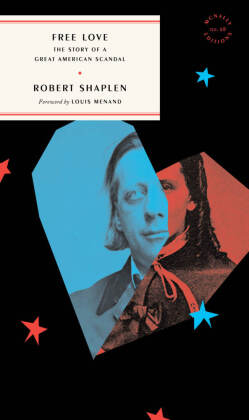
On the night of July 3, 1870, Elizabeth Tilton confessed to her husband that she'd had an affair with their pastor, Henry Ward Beecher. This secret would soon transfix America, for Beecher was the most famous preacher of the day, founder of the most fashionable church in Brooklyn Heights, a presidential hopeful, an influential supporter of Abolition, and a leader of the campaign for women's suffrage. When Beecher tried to silence the Tiltons, it was a whisper network of suffragists, notably Susan B. Anthony and Elizabeth Cady Stanton, who spread news of the affair, and it was the radical Victoria Woodhull-an outspoken proponent of "free love"-who seized on it, as political dynamite, to blow up the myth of monogamy among the political elite. Her public accusations led to even more public trials, which shocked the country and divided the most progressive thinkers of the era.
In 1953, the journalist Robert Shaplen revisited the Tilton-Beecher affair in a series of articles for the New Yorker, relying on 3,000 pages of contemporary accounts-court transcripts, love-letters, newspaper reports and illustrations, even political cartoons-to reanimate a scandal that shook the American reform movement and to expose a strand of America's cultural DNA that remains recognizable today.