






Diese Website verwendet Cookies und ähnliche Technologien. Dabei handelt es sich um kleine Textdateien, die auf eurem Computer gespeichert und ausgelesen werden. Indem ihr auf "Alles akzeptieren" klickt, stimmt ihr der Verarbeitung von Daten, der Erstellung und Verarbeitung von individuellen Nutzungsprofilen über Websites und über Partner und Geräte hinweg sowie der Übermittlung eurer Daten an Drittanbieter zu, die eure Daten teilweise in Ländern außerhalb der Europäischen Union verarbeiten (GDPR Art. 49). Einzelheiten hierzu findet ihr in den Datenschutzhinweisen. Die Daten werden für Analysen und für eigene Zwecke Dritter verwendet. Weitere Informationen, auch über die Datenverarbeitung durch Drittanbieter und die Möglichkeit des Widerrufs, findet ihr in den Einstellungen und in unseren Datenschutzhinweisen. Hier könnt ihr mit den notwendigen Tools fortfahren.
- Verlag: Macmillan Publishers International
- Autor: Tim Smedley
- Artikel-Nr.: KNV97059807
- ISBN: 9781529058178
The Times Book of the Year pick
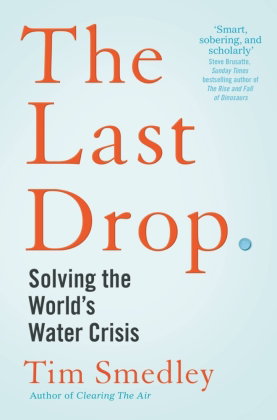
A gripping, thought-provoking and ultimately optimistic investigation into the world's next great climate crisis - the scarcity of water.
'Smart, sobering, and scholarly. ' - Steve Brusatte, author of The Rise and Fall of Dinosaurs
Water scarcity is the next big climate crisis. Water stress - not just scarcity, but also quality issues caused by pollution - is already driving the first waves of climate refugees. Rivers are drying out before they meet the oceans and ancient lakes are disappearing. It's increasingly clear that human mismanagement of water is dangerously unsustainable, for both ecological and human survival. And yet in recent years some key countries have been quietly and very successfully addressing water stress.
How are Singapore and Israel, for example - both severely water-stressed countries - not in the same predicament as Chennai or California?
In The Last Drop, award-winning environmental journalist Tim Smedley meets experts, victims, activists and pioneers to find out how we can mend the water table that our survival depends upon. He offers a fascinating, universally relevant account of the environmental and human factors that have led us to this point, and suggests practical ways to address the crisis, before it's too late.
'You will never see the water you use in the same way again' - Helen Czerski, BBC broadcaster