






Diese Website verwendet Cookies und ähnliche Technologien. Dabei handelt es sich um kleine Textdateien, die auf eurem Computer gespeichert und ausgelesen werden. Indem ihr auf "Alles akzeptieren" klickt, stimmt ihr der Verarbeitung von Daten, der Erstellung und Verarbeitung von individuellen Nutzungsprofilen über Websites und über Partner und Geräte hinweg sowie der Übermittlung eurer Daten an Drittanbieter zu, die eure Daten teilweise in Ländern außerhalb der Europäischen Union verarbeiten (GDPR Art. 49). Einzelheiten hierzu findet ihr in den Datenschutzhinweisen. Die Daten werden für Analysen und für eigene Zwecke Dritter verwendet. Weitere Informationen, auch über die Datenverarbeitung durch Drittanbieter und die Möglichkeit des Widerrufs, findet ihr in den Einstellungen und in unseren Datenschutzhinweisen. Hier könnt ihr mit den notwendigen Tools fortfahren.
- Verlag: Penguin Random House
- Autor: Mary Shelley
- Artikel-Nr.: KNV97057657
- ISBN: 9780143137900
A Penguin Classic
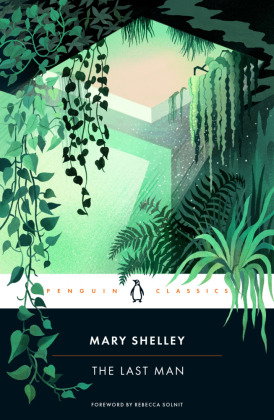
Written while Mary Shelley was in a self-imposed lockdown after the loss of her husband and children, and in the wake of intersecting crises including the climate-changing Mount Tambora eruption and a raging cholera outbreak, The Last Man (1826) is the first end-of-mankind novel, an early work of climate fiction, and a prophetic depiction of environmental change. Set in the late twenty-first century, the book tells of a deadly pandemic that leaves a lone survivor, and follows his journey through a post-apocalyptic world that's devoid of humanity and reclaimed by nature. But rather than give in to despair, Shelley uses the now-ubiquitous end-times plot to imagine a new world where freshly-formed communities and alternative ways of being stand in for self-important politicians serving corrupt institutions, and where nature reigns mightily over humanity a timely message for our current era of climate collapse and political upheaval. Brimming with political intrigue and love triangles around characters based on Percy Shelley and scandal-dogged poet Lord Byron, the novel also broaches partisan dysfunction, imperial warfare, refugee crises, and economic collapse and brings the legacy of her radically progressive parents, William Godwin and Mary Wollstonecraft, to bear on present-day questions about making a better world less centered around man. Shelley s second major novel after Frankenstein, The Last Man casts a half-skeptical eye on romantic ideals of utopian perfection and natural plenitude while looking ahead to a greener future in which our species develops new relationships with non-human life and the planet.