






Diese Website verwendet Cookies und ähnliche Technologien. Dabei handelt es sich um kleine Textdateien, die auf eurem Computer gespeichert und ausgelesen werden. Indem ihr auf "Alles akzeptieren" klickt, stimmt ihr der Verarbeitung von Daten, der Erstellung und Verarbeitung von individuellen Nutzungsprofilen über Websites und über Partner und Geräte hinweg sowie der Übermittlung eurer Daten an Drittanbieter zu, die eure Daten teilweise in Ländern außerhalb der Europäischen Union verarbeiten (GDPR Art. 49). Einzelheiten hierzu findet ihr in den Datenschutzhinweisen. Die Daten werden für Analysen und für eigene Zwecke Dritter verwendet. Weitere Informationen, auch über die Datenverarbeitung durch Drittanbieter und die Möglichkeit des Widerrufs, findet ihr in den Einstellungen und in unseren Datenschutzhinweisen. Hier könnt ihr mit den notwendigen Tools fortfahren.
- Verlag: Reichert
- Autor: Ganchimeg Altangerel
- Artikel-Nr.: KNV97267268
- ISBN: 9783752008203
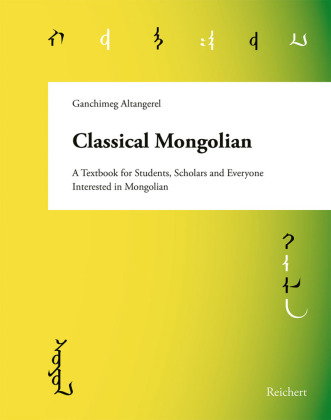
The textbook begins with a brief overview of the historical evolution of the Classical script before moving on to lessons about fundamental grammatical principles. The lessons feature simple instructions and many modern examples from everyday life. Illustrations in Classical script are consistently paired with English translations, as well as scholarly transliterations and Cyrillic transcriptions. This helps with learning the transliteration system while also supporting those already familiar with Cyrillic.
The lessons are supplemented by numerous accompanying materials that have never been published in any other textbook before. Such materials give learners the opportunity to explore Mongolian calligraphy, see various fonts, and acquire proficiency in typing the old script on a computer. Additionally, a curated selection of invaluable online resources is included, comprising dictionaries, news outlets, research materials, and historical texts. For those interested in the distinctive characteristics of Buryat, Kalmyk, Oirat, Barga, Khalkha, and Qinghai Mongolian dialects, the book contains illustrative examples for reading and comparative analysis. Furthermore, a replica of an archival document is provided to facilitate practice in deciphering and comprehending historical sources.
It is a great time to learn Classical Mongolian. From 2025, Mongolia plans to have all official documents written in both the Classical script and the Cyrillic script currently in use. Conversely, in the Inner Mongolia Autonomous Region of the People's Republic of China, native language classes for ethnic Mongolian children have been significantly curtailed since 2020. This textbook is intended to contribute to Mongolian studies and the ongoing discourse on language and cultural policy in the academic world. The book also aims to foster debate on minority language policies throughout society.
_____ ___ _____ ___ _____ _____ __ ________ ______ _____ __ ______ ___, _____, ___-_ _______ ___ __________, ______ ____________ ___, ____, _______ _________ ___ _______ ___________. _____ _________ _____ ______ ______ ___, ______ ______ __________ _________ ____ ____________. ___ ___ ______ ___ __________ ____________ _______ ________ ___ _______.
______ ___ __ ________ ______ _______ _____ _____ _________ ____ ________ ______ __________ _____. ___________ ___ ______ ______ _______ _____ _____ ________ _____ ____________ ___ ____, ____, _______ _________ _______ _______ __________ ________ ___ ___ _____ ______ _________ _________ ____ ___________ ______ ____________ ____. _________, ________ ______ _______ ______ ______, ______ _____, ___________ ______, ________ ______ _______ __________ _____, ___ ________ ______ _______ ________ ___ ______ _____ _________, ______ _______, _________ _._. ______ ______ ______________ _________. ______ ______, _______, _____, _____, ____, ____, ____ ____________ ____ ______ _________ _________ ___________ _____, ___________ ___ _______ ______ ________ _________ _____ ____________ ________ ____ _____ ____ _________.
_______ ________ ___________ ____ ______ __________ _____ ___ _____ _________ ______ _____ __ ___________, _____ ______ ___________ _______ __ ______ ______ _______ ___ ________ ______ ___________ ________ ______ _______ ________ _______________ ___ _____. ________ ______, _____, ____ _____ ______