






Diese Website verwendet Cookies und ähnliche Technologien. Dabei handelt es sich um kleine Textdateien, die auf eurem Computer gespeichert und ausgelesen werden. Indem ihr auf "Alles akzeptieren" klickt, stimmt ihr der Verarbeitung von Daten, der Erstellung und Verarbeitung von individuellen Nutzungsprofilen über Websites und über Partner und Geräte hinweg sowie der Übermittlung eurer Daten an Drittanbieter zu, die eure Daten teilweise in Ländern außerhalb der Europäischen Union verarbeiten (GDPR Art. 49). Einzelheiten hierzu findet ihr in den Datenschutzhinweisen. Die Daten werden für Analysen und für eigene Zwecke Dritter verwendet. Weitere Informationen, auch über die Datenverarbeitung durch Drittanbieter und die Möglichkeit des Widerrufs, findet ihr in den Einstellungen und in unseren Datenschutzhinweisen. Hier könnt ihr mit den notwendigen Tools fortfahren.
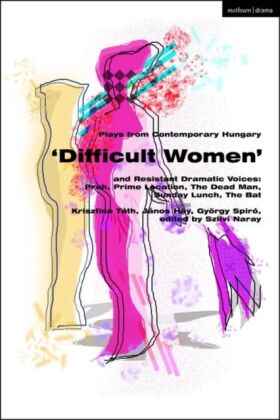
- Verlag: Bloomsbury Trade
- Autor: Krisztina Tóth
- Artikel-Nr.: KNV97343440
- ISBN: 9781350370722
A unique collection of five contemporary plays from 21st-century Hungary, translated into English for the first time.
Written by some of Hungary's most highly prolific and commercially successful dramatic voices, these plays are being produced in their native Hungary by theatres that do not adhere to Viktor Orbán's values and offer a counterpoint to the commercial Boulevard Theatre scene of Budapest.
Translator and theatre-maker Szilvi Naray champions these unheard voices through her performable and dramatically engaging translations. The plays are aimed at micro-budget productions and offer a special opportunity for students and small theatre companies alike to engage with these witty, politically irreverent plays, finally in English.
Each of the selected playwrights has been in direct conflict with the Hungarian government and has been demonised by the state-controlled press. The five plays are thematically threaded together by their common use of strong leading female protagonists with an overarching theme of the family unit. Through the edited introduction the themes and feminine translation strategy discusses how the plays offer a microcosmic lens for understanding the paradox that today's Hungary exemplifies, making this a necessary study into the world of contemporary Hungary through drama.