






Diese Website verwendet Cookies und ähnliche Technologien. Dabei handelt es sich um kleine Textdateien, die auf eurem Computer gespeichert und ausgelesen werden. Indem ihr auf "Alles akzeptieren" klickt, stimmt ihr der Verarbeitung von Daten, der Erstellung und Verarbeitung von individuellen Nutzungsprofilen über Websites und über Partner und Geräte hinweg sowie der Übermittlung eurer Daten an Drittanbieter zu, die eure Daten teilweise in Ländern außerhalb der Europäischen Union verarbeiten (GDPR Art. 49). Einzelheiten hierzu findet ihr in den Datenschutzhinweisen. Die Daten werden für Analysen und für eigene Zwecke Dritter verwendet. Weitere Informationen, auch über die Datenverarbeitung durch Drittanbieter und die Möglichkeit des Widerrufs, findet ihr in den Einstellungen und in unseren Datenschutzhinweisen. Hier könnt ihr mit den notwendigen Tools fortfahren.
- Verlag: Greystone Books
- Autor: Claire Oppert
- Artikel-Nr.: KNV97362665
- ISBN: 9781778400803
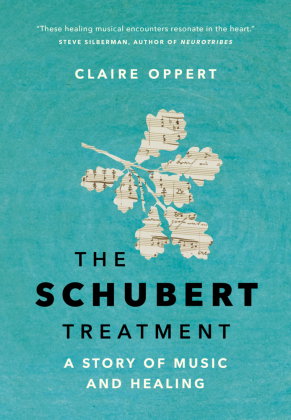
For readers of Oliver Sacks and Being Mortal by Atul Gawande comes a "shimmery account of performing ... for a series of patients with varied afflictions, including the inevitable final one."-New York Times
A celebrated art therapist plays the cello for her patients-and offers a moving reflection on the extraordinary power of music to enrich our lives, all the way to the very end.
When Claire Oppert plays the cello, miracles happen. Children with profound autism, patients in extreme pain and distress, even people on the threshold of death smile, cry, laugh, sing and dance. "When you play, I'm not sick anymore," one man tells her. "I feel happy, I feel alive."
In The Schubert Treatment, Oppert recounts her remarkable story of healing suffering through music, alongside portraits of the many people she has helped. Born into a family of doctors and artists, Oppert trained as a classical cellist and began playing at a center for autistic youth, where she witnessed how music could connect with even the most difficult-to-reach patients. Later, she began working as an art therapist with people with neurodegenerative diseases and palliative care patients, eventually conducting clinical trials that proved the effect of her "Schubert treatment": using music as a counter-stimulation to reduce pain and anxiety during stressful procedures.
Oppert's crystalline, lyrical vignettes of the patients whose lives she has touched are punctuated with anecdotes from her own life as a musician, as well as reflections on the meaning of art and the human need for connection and creativity. Compassionate, uplifting, and deeply humane, The Schubert Treatment is a testament to the incredible power of music to heal our bodies, minds, and souls.