






Diese Website verwendet Cookies und ähnliche Technologien. Dabei handelt es sich um kleine Textdateien, die auf eurem Computer gespeichert und ausgelesen werden. Indem ihr auf "Alles akzeptieren" klickt, stimmt ihr der Verarbeitung von Daten, der Erstellung und Verarbeitung von individuellen Nutzungsprofilen über Websites und über Partner und Geräte hinweg sowie der Übermittlung eurer Daten an Drittanbieter zu, die eure Daten teilweise in Ländern außerhalb der Europäischen Union verarbeiten (GDPR Art. 49). Einzelheiten hierzu findet ihr in den Datenschutzhinweisen. Die Daten werden für Analysen und für eigene Zwecke Dritter verwendet. Weitere Informationen, auch über die Datenverarbeitung durch Drittanbieter und die Möglichkeit des Widerrufs, findet ihr in den Einstellungen und in unseren Datenschutzhinweisen. Hier könnt ihr mit den notwendigen Tools fortfahren.
- Verlag: Hatje Cantz Verlag
- Autor: Rutger Fuchs
- Artikel-Nr.: KNV97449333
- ISBN: 9783775758031
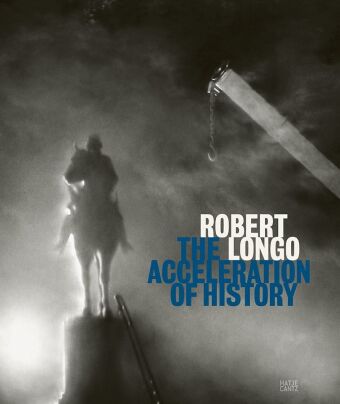
Robert Longo is widely known for his highly detailed and hyper-realistic charcoal drawings that explore the construction of power symbols. He explores the implications of living in an image-saturated culture-how we filter, process and preserve the images we are confronted with on a daily basis. This catalogue accompanies the exhibition Robert Longo: The Acceleration of History at the Milwaukee Art Museum and focuses on Longo's works of the last ten years, including images of war, protest movements, immigration and climate change created in direct response to contemporary global events and drawn fromimages widely circulated through various media sources.
ROBERT LONGO (b. 1953) is an artist, filmmaker and musician living in New York. He is considered a key figure of the US "Pictures Generation," which used appropriation and montage in the 1980s to unmask stereotypes in visual culture and to criticize the mediatization of war and the excessive glorification of history. With his labor-intensive, large-format charcoal drawings, Longo aims to slow down the consumption of the images that inundate us daily through our screens, or what the artist calls the "storm of images."