






Diese Website verwendet Cookies und ähnliche Technologien. Dabei handelt es sich um kleine Textdateien, die auf eurem Computer gespeichert und ausgelesen werden. Indem ihr auf "Alles akzeptieren" klickt, stimmt ihr der Verarbeitung von Daten, der Erstellung und Verarbeitung von individuellen Nutzungsprofilen über Websites und über Partner und Geräte hinweg sowie der Übermittlung eurer Daten an Drittanbieter zu, die eure Daten teilweise in Ländern außerhalb der Europäischen Union verarbeiten (GDPR Art. 49). Einzelheiten hierzu findet ihr in den Datenschutzhinweisen. Die Daten werden für Analysen und für eigene Zwecke Dritter verwendet. Weitere Informationen, auch über die Datenverarbeitung durch Drittanbieter und die Möglichkeit des Widerrufs, findet ihr in den Einstellungen und in unseren Datenschutzhinweisen. Hier könnt ihr mit den notwendigen Tools fortfahren.
- Verlag: Oxford University Press
- Autor: Tom Jenks
- Artikel-Nr.: KNV97544425
- ISBN: 9780192884244
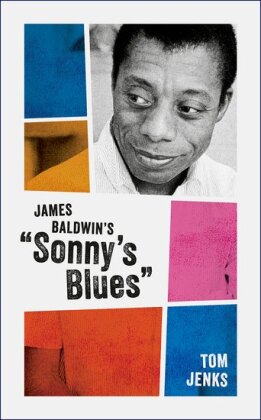
Tom Jenks's reading of James Baldwin's "Sonny's Blues" follows a scene-by-scene, sometimes line-by-line, discussion of the pattern by which Baldwin indelibly writes "Sonny's Blues" into the consciousness of readers. It provides ongoing observations of the aesthetics underlying the particulars of the story, with references to Edward P. Jones (whose magnificent story "All Aunt Hagar's Children" bears a knowing relationship to "Sonny's Blues,") to Charlie Parker's music, and to Billie Holiday's "Am I Blue?" and John Coltrane's "A Love Supreme" as part of the musical progression Baldwin creates, and with attention to Baldwin's oratorical gifts and the biblical references in the story, to its time structure, characterizations, dramatic action, and, most of all, its totality of effect.
Drawing on Baldwin's book-length essay The Fire Next Time, which Baldwin published six years after the publication of the short story, Tom Jenks offers insight on some of the sources in Baldwin's life for "Sonny's Blues" and on the logic and passion by which life may be meaningfully transformed into art.