






Diese Website verwendet Cookies und ähnliche Technologien. Dabei handelt es sich um kleine Textdateien, die auf eurem Computer gespeichert und ausgelesen werden. Indem ihr auf "Alles akzeptieren" klickt, stimmt ihr der Verarbeitung von Daten, der Erstellung und Verarbeitung von individuellen Nutzungsprofilen über Websites und über Partner und Geräte hinweg sowie der Übermittlung eurer Daten an Drittanbieter zu, die eure Daten teilweise in Ländern außerhalb der Europäischen Union verarbeiten (GDPR Art. 49). Einzelheiten hierzu findet ihr in den Datenschutzhinweisen. Die Daten werden für Analysen und für eigene Zwecke Dritter verwendet. Weitere Informationen, auch über die Datenverarbeitung durch Drittanbieter und die Möglichkeit des Widerrufs, findet ihr in den Einstellungen und in unseren Datenschutzhinweisen. Hier könnt ihr mit den notwendigen Tools fortfahren.
- Verlag: Springer, Berlin
- Autor: Donald Juzwishin
- Artikel-Nr.: KNV97870134
- ISBN: 9783031868849
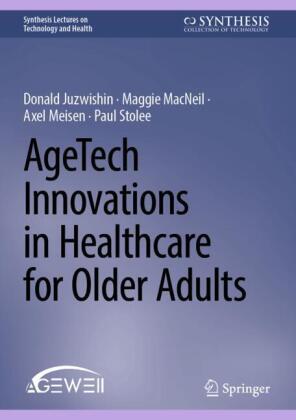
This book explores the transformative potential of digital technologies to achieve more effective and integrated health care for older adults. It examines the biological and social processes of aging through personas and scenarios, highlighting their impacts on current and future health care delivery systems. It provides a global perspective on the development of health care systems, discussing barriers and opportunities for reform and innovation within the context of policymaking and health technology assessment. Focusing on home care, rehabilitation, long-term care, and primary care, the book offers insights and tools to enhance these services for older adults. It addresses the critical adoption of standardized electronic health records, emphasizing their importance for accessibility and interoperability within health care systems. Readers are introduced to conceptual models and ethical considerations that frame the challenges and opportunities in health care. The book showcases various AgeTech innovations, pilot projects, and initiatives that can address the health care needs of older adults, improving their independence and quality of life. Additionally, it identifies key areas for future research and innovation in AgeTech, encouraging readers to engage with questions and issues that promote continuous thinking about health care reform and AgeTech integration.
Targeting a diverse audience, the book aims to inspire and mobilize business leaders, educators and trainees, researchers, innovators, policymakers, health care providers, and citizens-especially older adults. By presenting evidence and practical strategies, it underscores AgeTech's role in creating a continuous, integrated, and learning-oriented health care delivery system.