






Diese Website verwendet Cookies und ähnliche Technologien. Dabei handelt es sich um kleine Textdateien, die auf eurem Computer gespeichert und ausgelesen werden. Indem ihr auf "Alles akzeptieren" klickt, stimmt ihr der Verarbeitung von Daten, der Erstellung und Verarbeitung von individuellen Nutzungsprofilen über Websites und über Partner und Geräte hinweg sowie der Übermittlung eurer Daten an Drittanbieter zu, die eure Daten teilweise in Ländern außerhalb der Europäischen Union verarbeiten (GDPR Art. 49). Einzelheiten hierzu findet ihr in den Datenschutzhinweisen. Die Daten werden für Analysen und für eigene Zwecke Dritter verwendet. Weitere Informationen, auch über die Datenverarbeitung durch Drittanbieter und die Möglichkeit des Widerrufs, findet ihr in den Einstellungen und in unseren Datenschutzhinweisen. Hier könnt ihr mit den notwendigen Tools fortfahren.
- Verlag: Prestel
- Autor: Ortrud Westheider
- Artikel-Nr.: KNV97972424
- ISBN: 9783791376257
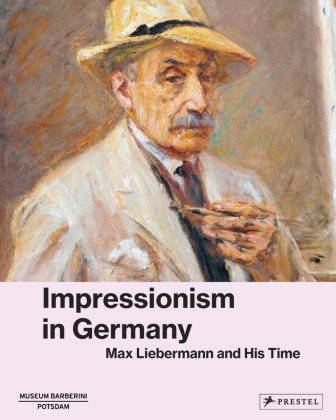
As a groundbreaking painter and head of the Berlin Secession, Max Liebermann championed modernism and introduced French Impressionism to the German Empire. His influence reached far beyond Berlin, sparking a diverse movement that flourished in cities such as Dresden, Stuttgart, Karlsruhe, and Munich. Focusing on Liebermann's life and legacy, the catalog also examines his achievements as a collector and advocate for the avante-garde. It showcases his celebrated masterpieces alongside works by prominent peers like Max Slevogt and Lovis Corinth, as well as contributions from underappreciated figures such as Philipp Franck and Dora Hitz, capturing the expansive scope of the era. Women painters, including Charlotte Berend-Corinth and Maria Slavona, are also featured, underscoring their role in shaping German Impressionism. Divided into nine thematic chapters, the book offers a wide-ranging perspective, including topics such as the artistic exchange between France and Germany; the historical importance of Liebermann's villa at Wannsee as a site of cultural memory and creative legacy; the role of Jewish patrons in fostering Germany's embrace of French art; and the challenges Liebermann faced during the rise of the Nazi regime. Lavishly illustrated and expertly curated, this catalog provides an essential study of Max Liebermann as the central figure of German Impressionism while situating his work within the broader artistic and historical contexts of the late 19th and early 20th centuries.