






Diese Website verwendet Cookies und ähnliche Technologien. Dabei handelt es sich um kleine Textdateien, die auf eurem Computer gespeichert und ausgelesen werden. Indem ihr auf "Alles akzeptieren" klickt, stimmt ihr der Verarbeitung von Daten, der Erstellung und Verarbeitung von individuellen Nutzungsprofilen über Websites und über Partner und Geräte hinweg sowie der Übermittlung eurer Daten an Drittanbieter zu, die eure Daten teilweise in Ländern außerhalb der Europäischen Union verarbeiten (GDPR Art. 49). Einzelheiten hierzu findet ihr in den Datenschutzhinweisen. Die Daten werden für Analysen und für eigene Zwecke Dritter verwendet. Weitere Informationen, auch über die Datenverarbeitung durch Drittanbieter und die Möglichkeit des Widerrufs, findet ihr in den Einstellungen und in unseren Datenschutzhinweisen. Hier könnt ihr mit den notwendigen Tools fortfahren.
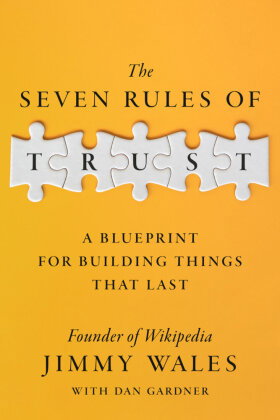
- Verlag: Penguin Random House
- Autor: Jimmy Wales
- Artikel-Nr.: KNV98134223
- ISBN: 9798217088195
An important book . . . both hopeful and practical. Yuval Noah Harari, bestselling author of Sapiens and 21 Lessons for the 21st Century
From the beginning, people predicted Wikipedia s demise. Instead, this global experiment in sharing knowledge and expertise online has become part of the fabric of modern, connected life. Today, every month, people view Wikipedia 11 billion times just in the English language. The Internet s encyclopedia has become a global utility, like water or electricity, and we rarely pause to consider the extraordinary fact of its existence.
Long before it became the biggest collection of knowledge in the history of the world, Wikipedia had to overcome its greatest challenge: getting strangers on the Internet to trust each other. They had to trust that others would not be abusive or uncivil. They had to trust that others would not unfairly change or erase their contributions. They had to trust that people had good intentions.
Trust, Wikipedia founder Jimmy Wales says, is a treasure. But it is not inanimate, like gold or gems. Trust is a living thing that can and must be cultivated. This book will show you how. And it will reveal how his organization, this one-time punchline, has become a global authority in the same two decades when the public s trust in everything else, from government to social media, has trended backwards.
Every community on earth depends on trust; it underpins our capacity to know things, and it is at an all-time low. Inspiring, approachable, and packed with candid lessons from the early days of Wikipedia, The Seven Rules of Trust is a guide to kickstarting a positive loop of accountability and creativity and to building things that stand the test of time.