






Diese Website verwendet Cookies und ähnliche Technologien. Dabei handelt es sich um kleine Textdateien, die auf eurem Computer gespeichert und ausgelesen werden. Indem ihr auf "Alles akzeptieren" klickt, stimmt ihr der Verarbeitung von Daten, der Erstellung und Verarbeitung von individuellen Nutzungsprofilen über Websites und über Partner und Geräte hinweg sowie der Übermittlung eurer Daten an Drittanbieter zu, die eure Daten teilweise in Ländern außerhalb der Europäischen Union verarbeiten (GDPR Art. 49). Einzelheiten hierzu findet ihr in den Datenschutzhinweisen. Die Daten werden für Analysen und für eigene Zwecke Dritter verwendet. Weitere Informationen, auch über die Datenverarbeitung durch Drittanbieter und die Möglichkeit des Widerrufs, findet ihr in den Einstellungen und in unseren Datenschutzhinweisen. Hier könnt ihr mit den notwendigen Tools fortfahren.
- Verlag: Scheidegger & Spiess
- Autor: Schweizerisches Nationalmuseum
- Artikel-Nr.: KNV98226868
- ISBN: 9783039422784
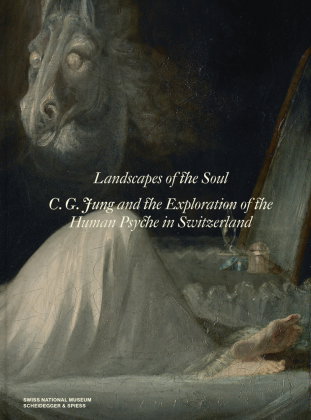
Switzerland is home to illustrious explorers of the soul such as Jean-Jacques Rousseau (1712-78) and Carl Gustav Jung (1875-1961). Historically and still today, the small country in the heart of Europe has a higher density of psychiatry and psychoanalytic hotspots than almost any other place in the world. From Geneva to Zurich, from Kreuzlingen, on the shore of Lake Constance, to Monte Verità, near Ascona and the Italian border, a dense network of names and traditions stretches across the map. Switzerland as a psycho-geographic space became a psychoanalytic hub with a global reach.
Coinciding with the 150th anniversary of C. G. Jung's birth, this book for the first time contextualizes his thought and influence within the overall history of psychoanalysis in Switzerland. Besides Jung, its protagonists include Ludwig Binswanger, pioneer of the existential "Daseinsanalysis"; Jean Piaget, best-known for his research of child development; Goldy and Paul Parin-Matthèy and Fritz Morgenthaler, cofounders of the Zurich school of ethno-psychoanalysis; and Judith le Soldat, with her radical feminist Nimbus theory.
In Landscapes of the Soul, 12 thematic essays by distinguished authors and a conversation with acclaimed British-Swiss writer and philosopher Alain de Botton are supplemented and put into perspective with key historical texts and artworks, as well as other images and documents, many of them from archives that have so far been virtually inaccessible.