






Diese Website verwendet Cookies und ähnliche Technologien. Dabei handelt es sich um kleine Textdateien, die auf eurem Computer gespeichert und ausgelesen werden. Indem ihr auf "Alles akzeptieren" klickt, stimmt ihr der Verarbeitung von Daten, der Erstellung und Verarbeitung von individuellen Nutzungsprofilen über Websites und über Partner und Geräte hinweg sowie der Übermittlung eurer Daten an Drittanbieter zu, die eure Daten teilweise in Ländern außerhalb der Europäischen Union verarbeiten (GDPR Art. 49). Einzelheiten hierzu findet ihr in den Datenschutzhinweisen. Die Daten werden für Analysen und für eigene Zwecke Dritter verwendet. Weitere Informationen, auch über die Datenverarbeitung durch Drittanbieter und die Möglichkeit des Widerrufs, findet ihr in den Einstellungen und in unseren Datenschutzhinweisen. Hier könnt ihr mit den notwendigen Tools fortfahren.
- Verlag: De Gruyter
- Autor: Sheridan Polinsky
- Artikel-Nr.: KNV98242248
- ISBN: 9783119148450
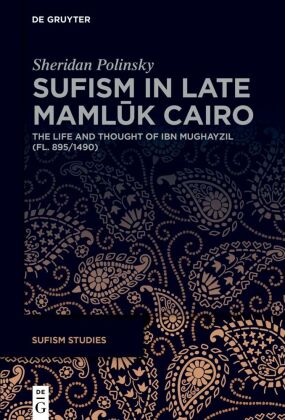
This book examines the life and thought of Ibn Mughayzil (fl. 895/1490), a Shadhili Sufi of late Mamluk Cairo. It offers a portrait of the Sufi as an aspiring Shadhili master and talented author whose two known writings reflect major themes of Mamluk-era Sufism, such as the desire to unite the "exoteric" sciences (ilm al- ahir) and the "esoteric" science (ilm al-ba in) or Sufism. At the same time, his works are distinguished by a number of features. Most notable is his treatment of the waking vision of Prophet Muhammad after death, an experience that many Sufis claimed to have underwent. The study suggests that Ibn Mughayzil was the first author to produce a systematic and comprehensive examination of the topic and argues that he makes an important contribution by defending its authenticity and orthodoxy. Furthermore, his engagement with other key issues of his time, such as God's oneness and religious diversity, reveal that while often driven by the aim of defending Sufis from accusations of error, he was a creative synthesizer, drawing from a wide range of Sufi and other sources to develop and demonstrate his positions. Study of Ibn Mughayzil sheds light on the nature and quality of Mamluk Sufi literature as well as the reception of earlier ideas, such as those of Ibn Arabi (d. 638/1240) and Ibn al-Farid (d. 632/1235).