






Diese Website verwendet Cookies und ähnliche Technologien. Dabei handelt es sich um kleine Textdateien, die auf eurem Computer gespeichert und ausgelesen werden. Indem ihr auf "Alles akzeptieren" klickt, stimmt ihr der Verarbeitung von Daten, der Erstellung und Verarbeitung von individuellen Nutzungsprofilen über Websites und über Partner und Geräte hinweg sowie der Übermittlung eurer Daten an Drittanbieter zu, die eure Daten teilweise in Ländern außerhalb der Europäischen Union verarbeiten (GDPR Art. 49). Einzelheiten hierzu findet ihr in den Datenschutzhinweisen. Die Daten werden für Analysen und für eigene Zwecke Dritter verwendet. Weitere Informationen, auch über die Datenverarbeitung durch Drittanbieter und die Möglichkeit des Widerrufs, findet ihr in den Einstellungen und in unseren Datenschutzhinweisen. Hier könnt ihr mit den notwendigen Tools fortfahren.
- Verlag: Taylor & Francis
- Autor: Kathleen Taylor
- Artikel-Nr.: KNV99166378
- ISBN: 9780415749367
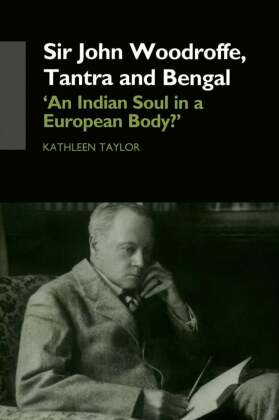
This biographical study is in two parts. The first focuses on Woodroffe's social identity in Calcutta against the background of colonialism and nationalism - the context in which he 'was' Arthur Avalon. To a very unusual degree for someone with a high position under the empire, Woodroffe the British High Court Judge absorbed the world of the Bengali intellectuals of his time, among whom his popularity was widely attested. His admirers were attracted by his Indian nationalism, to which his tantric studies and supposed learning formed an important adjunct.
Woodroffe's friend Ghose, however, was the chief source of the textual knowledge in which the 'orientalist' scholar appeared to be deeply versed. The second part of this study assesses Woodroffe's own relationship to Sanskrit and to the texts, and highlights his very extensive but gifted use of secondary sources and the knowledge of Ghose and other Indian people. It examines the apologetic themes by which he and his collaborators made Tantra first acceptable, then fashionable.
Partly because of his mysterious pseudonym, Woodroffe acquired a near legendary status for a time, and remains a fascinating figure. This book is written in a style that should appeal to the general reader as well as to students of Indian religions and early twentieth century Indian history, while being relevant to the ongoing debate about 'orientalism'.