






Diese Website verwendet Cookies und ähnliche Technologien. Dabei handelt es sich um kleine Textdateien, die auf eurem Computer gespeichert und ausgelesen werden. Indem ihr auf "Alles akzeptieren" klickt, stimmt ihr der Verarbeitung von Daten, der Erstellung und Verarbeitung von individuellen Nutzungsprofilen über Websites und über Partner und Geräte hinweg sowie der Übermittlung eurer Daten an Drittanbieter zu, die eure Daten teilweise in Ländern außerhalb der Europäischen Union verarbeiten (GDPR Art. 49). Einzelheiten hierzu findet ihr in den Datenschutzhinweisen. Die Daten werden für Analysen und für eigene Zwecke Dritter verwendet. Weitere Informationen, auch über die Datenverarbeitung durch Drittanbieter und die Möglichkeit des Widerrufs, findet ihr in den Einstellungen und in unseren Datenschutzhinweisen. Hier könnt ihr mit den notwendigen Tools fortfahren.
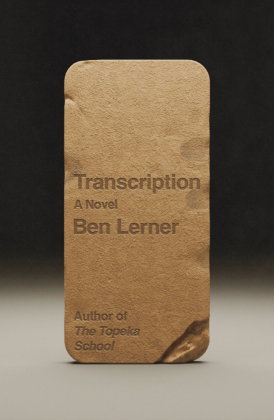
- Verlag: Macmillan US
- Autor: Ben Lerner
- Artikel-Nr.: KNV10046194
- ISBN: 9780374618599
Winner of the Orwell Prize
Named a Best Book of the Year (So Far) by The New York Times
From "the most talented writer of his generation" (Giles Harvey, The New York Times Magazine), a lightning flash of a novel that is at once a gripping emotional drama and a brilliant examination of the devices, digital and literary, we use to store-or to erase-our memories.
The narrator of Ben Lerner's new novel has traveled to Providence, Rhode Island, where he is to conduct what will be the final published interview with Thomas, his ninety-year-old mentor and the father of his college friend Max. Thomas is a giant in the arts who seems to hail from the future and the past simultaneously and who reenchants the air when he speaks. But the narrator drops his smartphone in the hotel sink. He arrives at Thomas's house with no recording device, a fact he is mysteriously unable to confess.
What unfolds from this dreamlike circumstance is the unforgettable story of the triangle formed by Thomas, Max, and the narrator, and an exploration of fathers and sons, male friendship and rivalry, and the challenges of parenting in a burning world. One of the first great novels about the early days of Covid, it is also a brilliant meditation on those technologies that enrich or impoverish our connection to one another, that store or obliterate memory. Full of startling insight, but summoning the intensity of a séance, Lerner's writing shows us how the air is full of messages, full of ghosts. Ultimately, Transcription demonstrates what only a work of fiction can record.