






Diese Website verwendet Cookies und ähnliche Technologien. Dabei handelt es sich um kleine Textdateien, die auf eurem Computer gespeichert und ausgelesen werden. Indem ihr auf "Alles akzeptieren" klickt, stimmt ihr der Verarbeitung von Daten, der Erstellung und Verarbeitung von individuellen Nutzungsprofilen über Websites und über Partner und Geräte hinweg sowie der Übermittlung eurer Daten an Drittanbieter zu, die eure Daten teilweise in Ländern außerhalb der Europäischen Union verarbeiten (GDPR Art. 49). Einzelheiten hierzu findet ihr in den Datenschutzhinweisen. Die Daten werden für Analysen und für eigene Zwecke Dritter verwendet. Weitere Informationen, auch über die Datenverarbeitung durch Drittanbieter und die Möglichkeit des Widerrufs, findet ihr in den Einstellungen und in unseren Datenschutzhinweisen. Hier könnt ihr mit den notwendigen Tools fortfahren.
- Verlag: Springer, Berlin
- Autor: Suraj Kumar Singh
- Artikel-Nr.: KNV10689057
- ISBN: 9783032273536
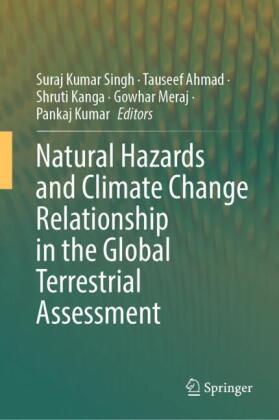
As the contemporary world faces an unprecedented intersection of challenges stemming from the compounding effects of natural hazards and climate change. This book delves into the intricate interplay between environmental forces and their profound impact on the broader concept of global sustainability. It serves as a comprehensive exploration of the dynamic relationships between natural hazards, climate patterns, and the overarching framework of sustainability. It aims to unravel the complexities inherent in this nexus, providing readers with a nuanced understanding of the multifaceted influences that shape our planet's ecological equilibrium.
Against the backdrop of a rapidly changing climate, the book investigates the escalating frequency and intensity of natural hazards, from floods and wildfires to hurricanes and earthquakes. Through an interdisciplinary lens, it explores the consequences of these events on ecosystems, societies, and the global economy. The narrative extends beyond the immediate aftermath of disasters, probing into the long-term ramifications for sustainable development and environmental resilience.
Drawing on cutting-edge research and real-world case studies, this book offers insights into strategies for climate adaptation, disaster risk reduction, and the promotion of sustainable practices. It addresses the urgent need for a collective and proactive approach to mitigate the adverse effects of natural hazards and climate change, emphasizing the critical role of global cooperation and informed decision-making.
" Natural hazards and climate change relationship in global terrestrial ecological imbalance" aspires to be a pivotal resource for academics, researchers, policymakers, and anyone concerned with the intricate relationship between environmental dynamics and the quest for a sustainable future. Through its exploration of challenges and opportunities, the book aims to inspire a collective commitment to fostering a resilient and sustainable global community in the face of evolving environmental realities. It is a must-read for students, scientists, policymakers, and anyone interested in the future conservation of our planet.
As a concluding part Natural hazards and climate change relationship in global terrestrial ecological imbalance enlighten and offers a concise information about the natural hazards occurring throughout the world and becoming a challenging situation for the people and society. The major changing climatic situation in and around the world and associated factors incorporated in the book to enhance the readers with the complexities of climate changing condition leading to hazards.