






Diese Website verwendet Cookies und ähnliche Technologien. Dabei handelt es sich um kleine Textdateien, die auf eurem Computer gespeichert und ausgelesen werden. Indem ihr auf "Alles akzeptieren" klickt, stimmt ihr der Verarbeitung von Daten, der Erstellung und Verarbeitung von individuellen Nutzungsprofilen über Websites und über Partner und Geräte hinweg sowie der Übermittlung eurer Daten an Drittanbieter zu, die eure Daten teilweise in Ländern außerhalb der Europäischen Union verarbeiten (GDPR Art. 49). Einzelheiten hierzu findet ihr in den Datenschutzhinweisen. Die Daten werden für Analysen und für eigene Zwecke Dritter verwendet. Weitere Informationen, auch über die Datenverarbeitung durch Drittanbieter und die Möglichkeit des Widerrufs, findet ihr in den Einstellungen und in unseren Datenschutzhinweisen. Hier könnt ihr mit den notwendigen Tools fortfahren.

- Verlag: MIT Press
- Autor: Meredith Gaglio
- Artikel-Nr.: KNV58308312
- ISBN: 9780262529280
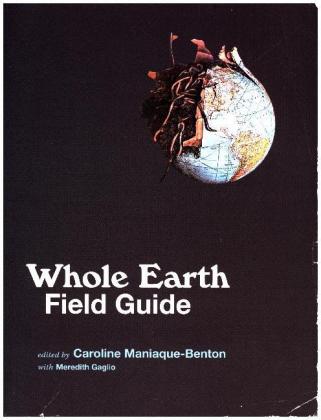
The Whole Earth Catalog was a cultural touchstone of the 1960s and 1970s. The iconic cover image of the Earth viewed from space made it one of the most recognizable books on bookstore shelves. Between 1968 and 1971, almost two million copies of its various editions were sold, and not just to commune-dwellers and hippies. Millions of mainstream readers turned to the Whole Earth Catalog for practical advice and intellectual stimulation, finding everything from a review of Buckminster Fuller to recommendations for juicers. This book offers selections from eighty texts from the nearly 1,000 items of suggested reading in the Last Whole Earth Catalog.
After an introduction that provides background information on the catalog and its founder, Stewart Brand (interesting fact: Brand got his organizational skills from a stint in the Army), the book presents the texts arranged in nine sections that echo the sections of the Whole Earth Catalog itself. Enlightening juxtapositions abound. For example, Understanding Whole Systems maps the holistic terrain with writings by authors from Aldo Leopold to Herbert Simon; Land Use features selections from Thoreau's Walden and a report from the United Nations on new energy sources; Craft offers excerpts from The Book of Tea and The Illustrated Hassle-Free Make Your Own Clothes Book; Community includes Margaret Mead and James Baldwin's odd-couple collaboration, A Rap on Race. Together, these texts offer a sourcebook for the Whole Earth culture of the 1960s and 1970s in all its infinite variety.